Lease vs Buy a Truck: The Complete Financial Comparison
Real numbers, hidden costs, and the insurance implications nobody tells you about.
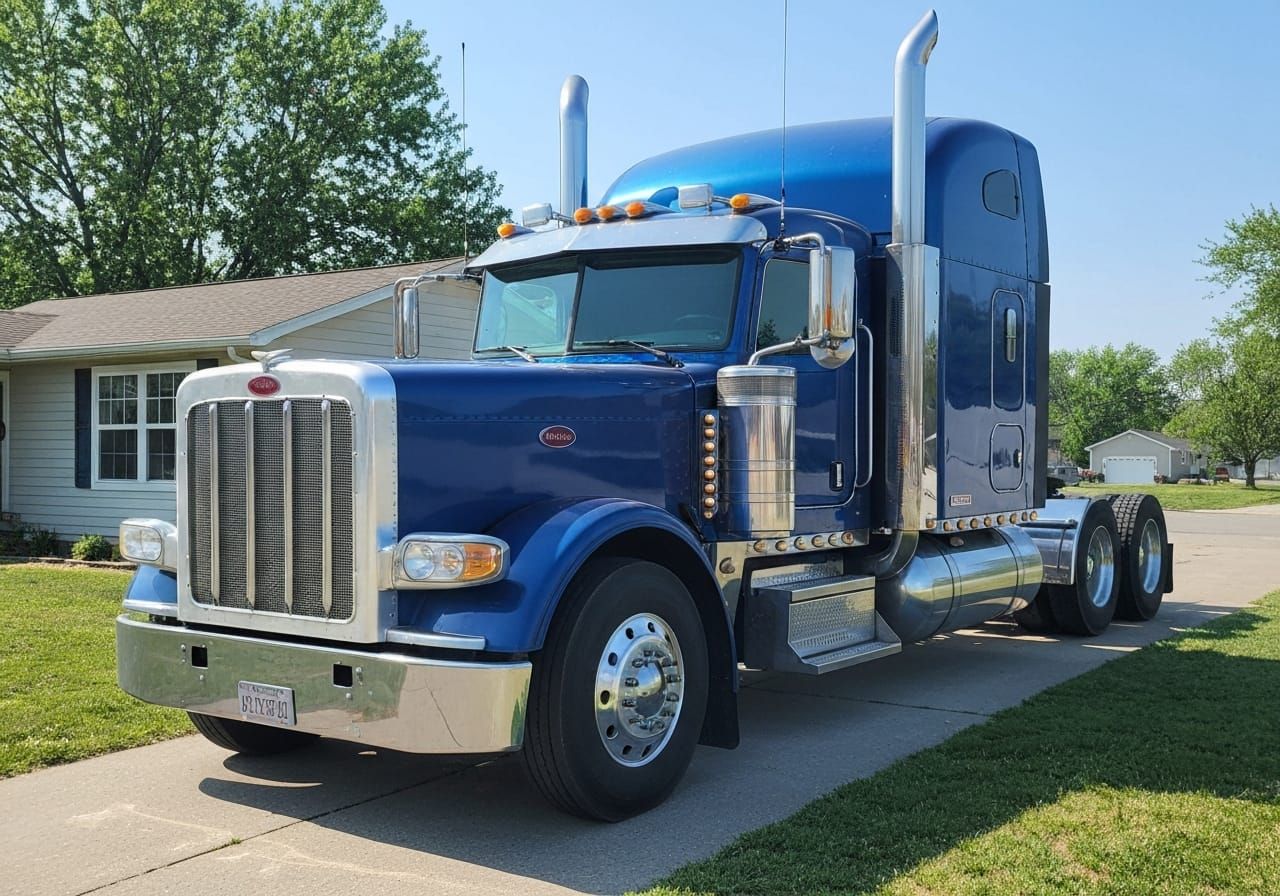
"Should I lease or buy?" is the most expensive question in trucking. Get it wrong and you're locked into payments that eat your profit for years. Get it right and you build equity while keeping cash flow healthy.
This guide compares every cost — monthly payments, maintenance, insurance, taxes, and the hidden fees that catch new owner-operators off guard. No sales pitch. Just numbers.
5-Year Total Cost Comparison
Monthly payment is just the beginning. Here's what each option really costs over 5 years for a comparable Class 8 sleeper (2022-2024 model year).
| Cost Category | Buy (Finance) | Full-Service Lease | Lease-Purchase |
|---|---|---|---|
| Acquisition | |||
| Down payment | $15,000-$25,000 | $0-$3,000 | $0-$2,000 |
| Monthly/weekly payment | $2,200/mo | $2,600/mo | $1,100/wk |
| 60-month payment total | $132,000 | $156,000 | $286,000 |
| Maintenance & Repairs | |||
| Routine maintenance | $18,000-$25,000 | Included | $18,000-$25,000 |
| Major repairs | $5,000-$15,000 | Included | $5,000-$15,000 |
| Tires (5 years) | $8,000-$12,000 | Often included | $8,000-$12,000 |
| Insurance | |||
| Annual premium | $12,000-$18,000 | $14,000-$22,000 | $14,000-$20,000 |
| 5-year insurance total | $60,000-$90,000 | $70,000-$110,000 | $70,000-$100,000 |
| Other Costs | |||
| End-of-lease fees | N/A | $2,000-$8,000 | $0 (if completed) |
| Early termination | Sell the truck | $5,000-$20,000 | Lose all payments |
| 5-Year Total Cost | $238,000-$299,000 | $228,000-$277,000 | $387,000-$440,000 |
| Truck Value at Year 5 | $40,000-$65,000 | $0 — return it | $25,000-$40,000 |
| True Net Cost | $173,000-$259,000 | $228,000-$277,000 | $347,000-$415,000 |
How Your Choice Affects Insurance
Your acquisition method directly impacts what insurance you need, what it costs, and who controls the policy. This is where most comparisons fail — they ignore the insurance delta.
You control the policy
- Lender requires: Comprehensive + collision with lender as loss payee
- Deductible choice: Usually $1,000-$2,500 — your choice
- Rate advantage: Ownership history builds your insurance record
- Shop around: Free to move between insurers at renewal
- Once paid off: Can drop comp/collision, reduce to liability only
Lessor often controls the policy
- Required coverage: Higher limits than financing — lessor sets minimums
- Deductible: Lessor may require lower deductibles (= higher premiums)
- Additional insured: Lessor must be listed, adding complexity
- Restricted shopping: Some lessors require specific insurers
- No equity benefit: Never get to the "paid off, drop coverage" stage
Carrier often bundles insurance
- Bundled premium: Deducted from settlement — often at carrier's rate, not yours
- No shopping: Stuck with carrier's insurance program
- Hidden markup: Carrier may profit on insurance passthrough
- If you leave: No insurance history follows you
- Transition risk: Buying your own policy after LP = new business rates
Hidden Costs Nobody Mentions
Buying — Hidden Costs
Varies by state. Some states exempt. Often rolled into loan.
Dealers push hard. Often overpriced. Get independent quotes.
At 6-12% APR over 5 years. Credit score matters enormously.
Used trucks may need immediate work to pass inspection.
Leasing — Hidden Costs
Most leases cap at 100,000-120,000 miles/year. OTR drivers blow past this.
Subjective inspection. Lessor decides what's "normal" wear.
If business goes bad, you're trapped. Remaining payments may be due.
Some lessors require their maintenance shops at their prices.
Lease-Purchase — Hidden Costs
A $60,000 used truck priced at $90,000-$110,000 in the LP agreement.
Miss a load? Some contracts penalize or add weeks to your term.
Unlike a loan, you have zero equity until the very last payment.
Deducted from every settlement. May not cover actual costs.
Tax Implications
Tax treatment is one of the biggest financial differences. The right structure can save $5,000-$15,000 per year.
Buying — Tax Advantages
- Section 179 deduction: Deduct up to the full purchase price in year one (up to $1,160,000 in 2026)
- Bonus depreciation: Additional first-year deduction on new trucks
- Interest deduction: Loan interest is business expense
- Maintenance deductions: All repairs and maintenance deductible
- Best for: Profitable operations that can use large deductions
Leasing — Tax Treatment
- Lease payments deductible: Full monthly payment is business expense
- No depreciation: You don't own it, can't depreciate it
- No Section 179: Purchase deductions don't apply
- Simpler accounting: One monthly expense vs depreciation schedules
- Best for: New businesses without big tax liability yet
Lease-Purchase — Tax Confusion
- Unclear ownership: IRS may treat as lease OR purchase depending on structure
- Settlement deductions: Weekly deductions may not be fully deductible
- No 1099 clarity: Carrier may not properly report your tax situation
- CPA confusion: Many CPAs miscategorize LP payments
- Best for: Almost nobody — tax treatment is the worst of both options
Which Option is Right for You?
Lease-Purchase Red Flags
Not all lease-purchase programs are scams — but many are structured to benefit the carrier, not the driver. Watch for these warning signs.
No independent inspection allowed
If the carrier won't let you have the truck inspected by YOUR mechanic before signing, walk away. They're hiding something.
Walk-away clause with zero equity
"You can walk away anytime!" sounds great — until you realize you lose every dollar you've paid. That's not flexibility, that's a trap.
Forced dispatch or minimum miles
If the contract requires minimum weekly miles or penalizes you for refusing loads, you're not an owner-operator. You're an employee with all the risk and none of the protections.
Insurance bundled at carrier's rate
If you can't get your own insurance policy, the carrier controls your biggest expense. Their "group rate" may include a profit margin for them.
Balloon payment at the end
After 3 years of weekly payments, you still owe $15,000-$30,000 to actually own the truck. If you can't pay, you lose everything.
Total cost exceeds market value by 50%+
Add up every payment. If the total exceeds what you'd pay buying the same truck outright by more than 50%, the math doesn't work.
New vs Used: The Numbers
Getting the Best Financing
Check credit unions first
Trucking-focused credit unions (like OOIDA's) often beat commercial lenders by 2-4 percentage points. A 2% rate difference on a $100,000 truck saves $5,000-$10,000 over the loan.
Get pre-approved before shopping
Dealer financing is almost always more expensive. Walk in with your own approval and negotiate from strength. Dealers make money on financing — don't let them.
Put 20% down if possible
Below 20%, you'll pay higher interest rates and may need gap insurance. At 20%+, you have immediate equity protection and better terms.
Avoid 7+ year loans
Longer terms mean lower payments but you'll be underwater (owe more than the truck is worth) for years. If you need to sell or the truck dies, you still owe money.
Budget for total monthly cost, not just payment
Payment + insurance + maintenance + fuel + permits. If total monthly cost exceeds 85% of expected revenue, the truck is too expensive.
Insurance Checklist: Before You Sign
Before committing to any acquisition method, get insurance quotes. The difference can change which option makes financial sense.
Before Buying
- Get insurance quotes for the specific truck (year/make/model/VIN)
- Confirm lender's insurance requirements (coverage limits, deductibles)
- Ask about "new venture" rates vs experienced operator rates
- Factor insurance cost into monthly budget (not just truck payment)
- Ask about multi-policy discounts (if adding trucks later)
Before Leasing
- Read the lease agreement's insurance requirements carefully
- Confirm you can choose your own insurer (not locked to lessor's program)
- Check if lessor markup on insurance is included in lease payment
- Verify what happens to your insurance history when lease ends
- Get quotes for the lessor's required coverage levels (often higher)
Before Lease-Purchase
- Calculate the actual insurance cost hidden in weekly deductions
- Ask: can I get my own policy? (if no, red flag)
- Find out: does my time in this program build insurance history?
- Get independent quotes to compare against carrier's "group rate"
- Plan for transition: what will insurance cost when you leave this carrier?
Frequently Asked Questions
Can I lease a truck with bad credit?
Yes, but your options are limited and expensive. Most full-service lease companies want 600+ credit scores. Below that, you're pushed toward lease-purchase programs — which are the most expensive option. Better strategy: drive as a company driver for 12-18 months, build your credit, save a down payment, then buy with decent financing.
What if I want to switch carriers while in a lease-purchase?
Most lease-purchase agreements tie you to one carrier. If you want to leave, you typically forfeit all payments made and return the truck. Some programs allow "transfer" to another driver, but the carrier controls this. Before signing, ask specifically: "What happens to my payments if I want to leave?"
Is it better to buy new or used for my first truck?
Used is almost always better for your first truck. A 3-4 year old truck with 200,000-350,000 miles costs 40-60% less than new, has proven reliability (the bad ones are already broken), and your insurance will be lower. New trucks make sense when you have an established, profitable operation and can use the tax benefits.
How does my truck acquisition affect my insurance rates long-term?
Owning and insuring your own truck builds an insurance history that follows you. After 2-3 years of clean claims history as an owner, your rates can drop 15-30%. Lease-purchase drivers under a carrier's policy build no independent history — when they eventually go independent, they start from scratch at "new venture" rates, which are the highest in the industry.
Whether you're buying, leasing, or considering a lease-purchase, insurance costs change the math. Get quotes for your specific situation before you commit.
Call or text: (208) 800-0640