Lumper Fee Guide: What Every Trucker Needs to Know
The charges nobody explains until you're standing at the dock with your wallet out.
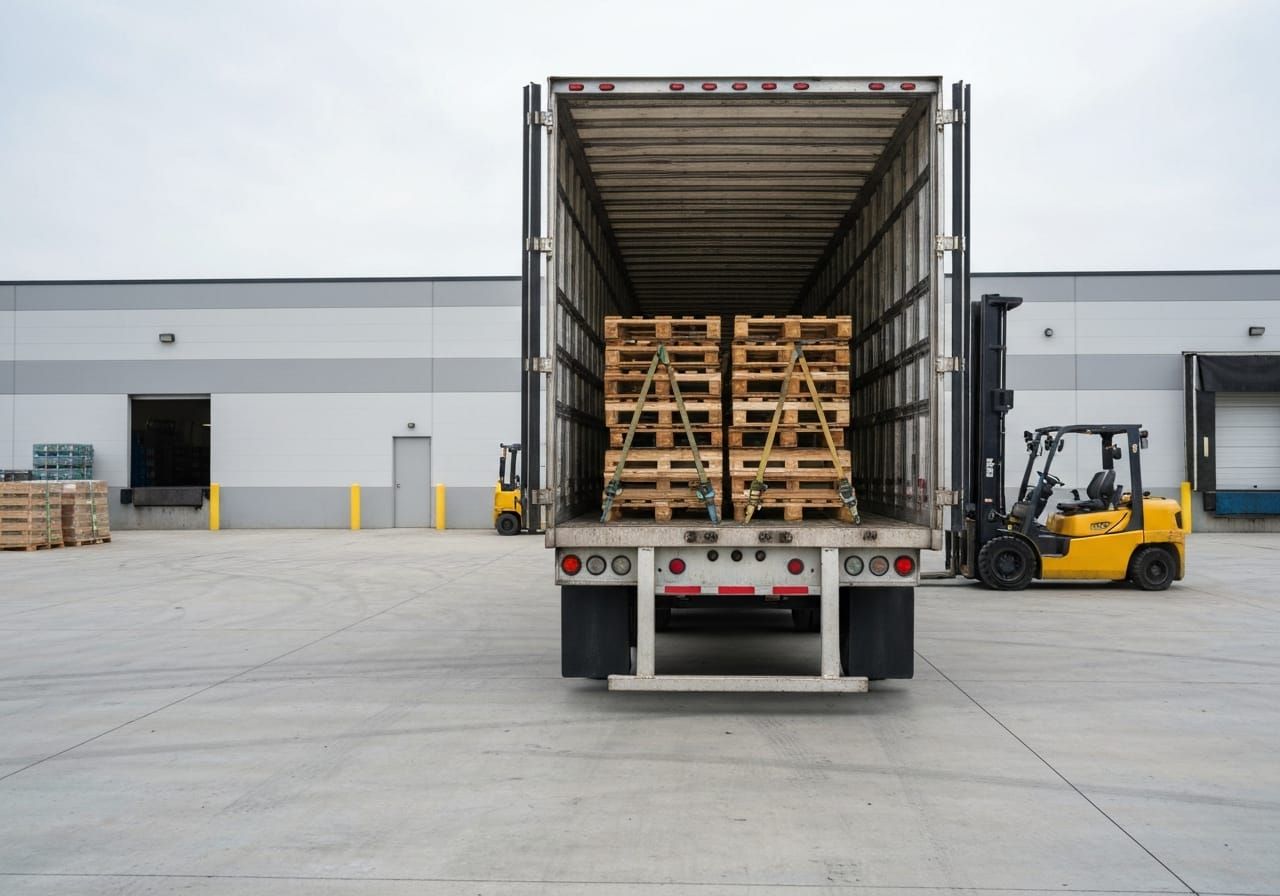
What Are Lumper Fees?
A lumper fee is a charge for unloading (or sometimes loading) freight at a warehouse or distribution center. The term comes from "lumping" — the physical act of moving cargo off a truck. At many facilities, you're required to use their designated unloading service instead of doing it yourself.
Who Actually Pays Lumper Fees?
This is where it gets confusing — and where truckers often get burned. The answer depends on your contract, the broker agreement, and federal law.
Should pay in most cases.
- FMCSA regulations say the party requiring the service should pay
- If the receiver requires lumper service, it's their cost
- Many large retailers (Walmart, Kroger, etc.) have their own lumper programs
- Rate confirmations should specify who handles lumper fees
Often reimburses the driver.
- Broker may include lumper allowance in the rate
- Comdata, T-Chek, or EFS codes provided for payment
- Reimbursement can take 30-90 days if paying out of pocket
- Always get authorization BEFORE paying
Should NOT be the default payer.
- If you're paying regularly, your contracts need renegotiation
- Owner-operators: factor lumper costs into your rate
- Company drivers should NEVER pay out of pocket
- Keep every receipt — unreimbursed lumper fees are tax deductible
How to Get Reimbursed
The reimbursement process is where most money gets lost. Follow these steps to protect yourself.
Before accepting the load
Ask the broker: "Are there lumper fees at delivery?" Get the answer in writing (text or email). If yes, confirm who pays and how (Comdata code, T-Chek, reimbursement).
At the facility
Before paying anything, call the broker for authorization and a payment code. Get the exact amount. Never agree to a lumper fee without broker approval — you may not get reimbursed.
Get a proper receipt
The receipt must show: facility name, date, amount, description of service, and the lumper company name. "Cash receipt" with just an amount is not enough. Take a photo immediately.
Submit for reimbursement
Send the receipt with your delivery paperwork. Include the load number, broker name, and authorization reference. Submit within 48 hours — waiting reduces your chances of getting paid.
Follow up
If not reimbursed within 30 days, follow up in writing. Reference the rate confirmation, authorization, and receipt. If the broker refuses, file a complaint with FMCSA or consider small claims court.
Payment Methods Ranked
How you pay matters. Some methods protect you, others leave you vulnerable.
Comdata / T-Chek / EFS Code
Broker provides a code, you pay with it. Zero out-of-pocket. Automatic documentation. Always ask for this first.
Fuel Card (if accepted)
Creates automatic record. Some lumper services accept fleet fuel cards. Check before arriving.
Credit/Debit Card
Creates bank record for proof of payment. Get a receipt too. Good backup if no code available.
Cash
No automatic record. Easy to dispute. Hard to prove amount paid. If cash is the only option, photograph everything — the receipt, the cash, the lumper, the facility sign.
Lumper Fee Scams and Overcharges
Not all lumper operations are honest. Watch for these common problems.
Lumper says "$400" when the standard rate for that load type is $150. They're counting on you not knowing the going rate or being too tired to argue.
Defense: Know typical rates for your freight type. Ask for an itemized breakdown. Call the broker to verify.
Facility says they only accept cash — no Comdata, no cards. This eliminates your paper trail and often means inflated prices with no accountability.
Defense: Call the broker. Most brokers can arrange alternative payment. If truly cash-only, photograph everything.
Receiver says you must physically unload 40,000 lbs yourself or pay their lumper service. This is coercion — especially if the BOL says "no driver unload."
Defense: Check your rate confirmation and BOL. Call the broker. Document the threat. Report to FMCSA if coerced.
Lumper fee was already included in your freight rate, but the facility charges you again at the dock. You pay twice for the same service.
Defense: Read your rate confirmation before delivery. If it says "lumper included," show the facility. Call the broker.
Lumper takes hours to unload, pushing you into detention time. They're not scamming per se, but understaffed facilities cost you money in lost driving hours.
Defense: Start your detention clock. Document arrival vs departure. Bill for detention time per your contract.
Your Legal Rights
Federal Protections
- 49 USC 14103: Prohibits coercion to pay for loading/unloading
- FMCSA enforcement: File complaints at 1-888-DOT-SAFT
- Rate confirmation governs: If it says "lumper included" or "no lumper," that's binding
- Right to receipts: You're entitled to itemized documentation of any charges
State-Specific Rules
- Some states ban forced lumper services — check your delivery state's laws
- Licensing requirements: Some states require lumper companies to be licensed
- Worker classification: Lumpers must be properly employed (not just random dock workers)
- Tax implications: Unlicensed lumpers = no proper receipt = no deduction
What You Can Do
- Refuse to self-unload if it's not in your contract
- Refuse inflated fees and call your broker for resolution
- Report violations to FMCSA (online or phone)
- Sue in small claims for unreimbursed fees (usually under $5,000)
Facilities Known for Lumper Fees
Certain types of facilities almost always require lumper services. Knowing before you book helps you price the load correctly.
Tax Treatment of Lumper Fees
Deductible Lumper Expenses
- Lumper fees you paid and were NOT reimbursed
- Must have proper receipts (facility name, date, amount, service description)
- Report on Schedule C (self-employed) or as employee business expense
- Track annually — $3,000-$8,000/year adds up fast
NOT Deductible
- Lumper fees that were reimbursed (already recovered)
- Fees paid with Comdata/T-Chek codes (you didn't pay)
- Fees without proper receipts (no documentation = no deduction)
- Cash payments with no receipt (IRS won't accept "I remember paying")
Lumper Fees and Your Insurance
Lumper fees don't directly affect your insurance rates, but the situations around them can.
Cargo claims from lumper damage
If a lumper damages cargo during unloading, who's liable? Usually the carrier (you). Your cargo insurance covers the claim, but it goes on YOUR record. Document lumper handling carefully — photos before and after unload. If the lumper caused the damage, your insurer may subrogate against the lumper company.
Workers comp for self-unloading
If you self-unload to avoid lumper fees and get injured, that's a workers comp claim. Owner-operators with occupational accident policies should check if "loading/unloading" activities are covered. Sometimes it's cheaper to pay the lumper than to risk an injury that sidelines you for weeks.
Slip-and-fall at facilities
Dock areas are hazardous. If you're injured at a facility (wet floors, forklift incidents, falling cargo), the facility's liability insurance should cover it — but having your own coverage protects you if they dispute responsibility.
Frequently Asked Questions
Can I refuse to pay a lumper fee?
You can refuse to pay if the rate confirmation says "lumper included" or "no lumper fees." You can also refuse if the fee is unreasonable or if you're being coerced. However, the facility may refuse to unload you, which means you're stuck. Best approach: call your broker immediately. They need the load delivered and usually have payment solutions.
Should I unload the truck myself to save money?
It depends on the freight and your physical ability. A palletized load with a pallet jack is manageable. Manually unloading 40,000 lbs of floor-loaded cases is dangerous and time-consuming. Factor in: injury risk, time cost (2-4 hours of unpaid labor), and whether self-unloading is even allowed at the facility. Many DCs prohibit it for liability reasons.
What if the broker won't reimburse my lumper fee?
First, check your rate confirmation — does it mention lumper fees? If the broker agreed to cover them and won't pay, you have a contract dispute. Options: deduct from future loads with that broker, file a claim with the broker's bond, report to FMCSA, or take them to small claims court. For repeated non-payment, stop working with that broker.
Are lumper fees going away?
Not anytime soon. Major retailers rely on third-party lumper services to keep their dock operations flexible. However, automation (automated unloading systems, conveyor docks) is slowly reducing lumper use at modern facilities. Some carriers are also negotiating "all-in" rates that include lumper costs, which simplifies accounting even if the fee still exists.
From lumper fee disputes to cargo claims at the dock, we understand the real costs of running a trucking business. Get a quote from agents who know what you deal with every day.
Call or text: (208) 800-0640