Seasonal Trucking Tips: Weather, Safety, and Insurance Through the Year
Each season brings different hazards — and different ways those hazards hit your insurance, your safety record, and your revenue. Here's what to prepare for, quarter by quarter.
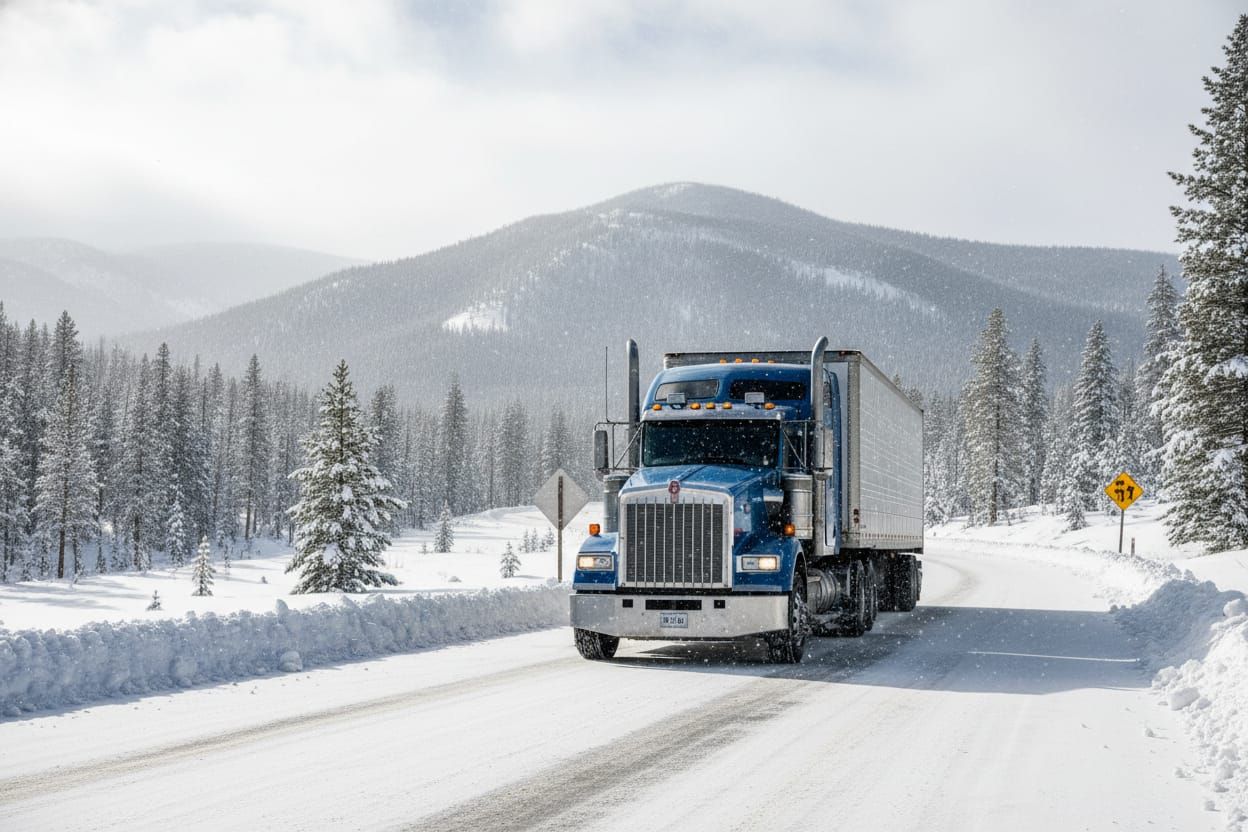
Why Seasons Matter for Trucking Insurance
Insurance underwriters don't just look at your annual record — they look at when and where your claims happen. Weather-related claims have patterns. Understanding those patterns lets you prepare instead of react.
Claim frequency peaks in winter and summer. Winter brings jackknifes, slide-offs, and multi-vehicle pileups. Summer brings tire blowouts, brake failures from heat, and more congestion from construction and vacation traffic. Spring and fall are lower-risk but have their own hazards.
Winter (December - February)
The most dangerous season for trucking. Ice and snow cause more accidents, more severe damage, and more expensive claims than any other weather condition.
Pre-Winter Preparation
Tires
Check tread depth (minimum 4/32" for steer, 2/32" for drive). Consider winter-rated tires for northern routes. Verify tire chains are in good condition and you know how to install them.
Chains: $100-$300/setBrakes
Full brake inspection before winter. Check adjustment, air dryer operation, and antifreeze levels. Frozen brakes cause more winter OOS violations than any other issue.
Inspection: $150-$300Electrical
Test batteries (cold cranking amps drop significantly below 32F). Check all lights and marker lights — visibility is critical in winter storms.
Batteries: $150-$400 eachEmergency Kit
Warm clothing, blankets, food/water (48 hours), flashlight, flares, ice scraper, lock de-icer, extra washer fluid, and a phone charger.
Kit: $50-$150Winter Driving Rules
Slow down before the problem, not during it
Reduce speed by 1/3 on wet roads and 1/2 on packed snow. On ice, even 10 mph can be too fast for an 80,000 lb vehicle. By the time you feel the slide, it's too late.
Increase following distance to 8-10 seconds
Normal is 6-7 seconds for a loaded truck. On snow or ice, double it. You need the extra distance because your stopping distance triples on ice.
Know when to stop
If visibility drops below 500 feet or the road surface is pure ice, find a safe place to park. No load is worth an accident. Your insurance company would rather you be late than crashed.
Watch for black ice at dawn and dusk
Bridges and overpasses freeze first. Shaded areas and ramps are high-risk zones. If the road looks wet but other vehicles are leaving no spray, it's ice.
Clear all snow and ice from your trailer
Snow flying off your trailer is a liability risk. Ice sheets from trailers cause accidents. Several states fine drivers for "ice missiles" — and if someone is injured, you're liable.
Winter Insurance Impact
Jackknife accidents are the most expensive winter claims — average cost $50,000-$150,000+ including cargo, truck damage, and third-party injuries. A single winter jackknife can increase your premium 25-50% at renewal. If you operate in the northern states, underwriters are watching your winter driving record specifically.
Spring (March - May)
Spring brings unpredictable weather — rain, wind, flooding, and freeze-thaw cycles that destroy roads. It's also when many new authorities start their first year.
Spring Hazards
Flooding & Standing Water
Never drive through standing water of unknown depth. 6 inches of moving water can knock you off your feet; 2 feet can float a truck. Flash floods in low-lying areas are the #1 spring killer for truckers.
High Winds
Empty trailers are sails. Crosswinds above 40 mph create rollover risk, especially on elevated highways and bridges. Know your route's wind exposure. If wind advisories are issued, park the empty trailer.
Potholes & Road Damage
Freeze-thaw cycles create potholes that can bend rims, blow tires, and damage suspension. Spring is pothole season, especially in the Midwest and Northeast. Report severe potholes but don't swerve — hitting a pothole is better than hitting another vehicle.
Severe Storms
Tornado Alley is active March through June. Monitor weather radio and phone alerts. Know where storm shelters are on your regular routes. Pull over for severe thunderstorms — lightning, hail, and microbursts are real threats.
Spring Maintenance Checklist
- Remove winter chains and inspect for chain damage to fenders/tires
- Flush coolant system and check antifreeze/coolant mix
- Inspect wipers and replace if streaking (you'll need them)
- Check all drains and seals on trailer — spring rain finds every leak
- Inspect suspension for freeze-thaw damage (cracks, worn bushings)
- Verify A/C compressor works before you need it
Summer (June - August)
Heat is the silent killer of trucks and drivers. Tire blowouts, brake fade, engine overheating, and driver fatigue all spike when temperatures exceed 90F.
Summer's Biggest Threats
Tire Blowouts
High RiskHot pavement (up to 150F) combined with underinflated tires = blowouts. Tire pressure drops 1 PSI for every 10F increase in temperature, and rises 1 PSI per 10F increase. Check pressures when tires are cold.
Brake Fade
High RiskLong downhill grades in heat can overheat brakes to the point of failure. Brake fade is gradual — by the time you notice reduced stopping power, you may not be able to stop at all.
Engine Overheating
Medium RiskSustained high temperatures plus heavy loads push cooling systems to their limits. Overheating causes head gasket failures, warped heads, and catastrophic engine damage — $10,000-$30,000 repairs.
Driver Fatigue & Heat Illness
High RiskHeat exhaustion and dehydration impair judgment before you realize it. Symptoms mimic fatigue: slow reactions, poor decisions, reduced alertness. Truckers working in 100F+ heat are at serious risk.
Construction Zone Season
Summer means construction. Reduced lanes, altered traffic patterns, and workers inches from your truck. Construction zone speeding violations carry double fines in most states and add significant CSA points. Many construction zone accidents result in fatality charges if a worker is killed — even if you weren't speeding, distraction or inattention in a work zone can end your career.
Summer Insurance Impact
Tire blowout claims peak June through September. A blowout that causes you to cross lanes and hit another vehicle becomes a liability claim, not just a physical damage claim. Keep documentation of your tire maintenance — underwriters look at tire-related claims as a sign of poor maintenance habits.
Fall (September - November)
The transition season. Shorter days, deer migration, harvest equipment on rural roads, and the first freeze events. Also your best window for insurance renewal preparation.
Fall Hazards
Deer & Wildlife
October and November are peak deer collision months. Over 1.5 million deer-vehicle collisions happen annually in the US, with highest frequency at dawn and dusk. For trucks, the bigger risk isn't hitting the deer — it's swerving to miss it and rolling or hitting another vehicle.
Fog
Fall fog is dense, sudden, and deadly — especially in river valleys, near bodies of water, and in agricultural areas. Multi-vehicle pileups in fog are among the most catastrophic trucking accidents.
Harvest Traffic
Slow-moving farm equipment shares rural highways September through November. Combines, tractors with implements, and grain trucks move at 15-25 mph. You can come upon them fast on 2-lane roads, especially over hills.
Wet Leaves
Sounds minor, but wet leaves on pavement are nearly as slippery as ice. They collect on ramps, intersections, and shaded road sections. Particularly dangerous for loaded trucks on curves.
Fall = Renewal Prep Season
Many trucking insurance policies renew between October and March. If yours renews in this window, fall is when you should be preparing.
Full details: Insurance Renewal Guide
Year-Round Safety Habits That Lower Your Insurance
These aren't seasonal — they're every-day practices that compound over time. Each one reduces your risk profile and makes you a better insurance risk.
Dash Cam (Front + Rear)
Protects you from false claims and provides evidence in legitimate accidents. Many insurers offer 3-8% discounts for dual dash cams.
3-8% premium discountPre-Trip Inspection Every Time
8 of the 10 most common inspection violations are caught in a proper pre-trip. Clean inspections build a positive safety record that underwriters reward at renewal.
Prevents OOS violationsWeather Monitoring
Check weather along your entire route before departure, not just at your origin. Weather apps with trucker-specific alerts (Driveweather, Trucker Path) help you plan around storms.
Avoids weather claimsDefensive Driving Mindset
Assume every car around you is about to do something stupid. Leave yourself an out. The driver who avoids an accident is always better off than the driver who was "right" but still crashed.
Reduces all claim typesMaintenance Documentation
Keep records of every maintenance action — oil changes, brake adjustments, tire replacements. This documentation proves to underwriters that you maintain your equipment, and helps in claim disputes.
Supports claims defenseKnow When to Park
The smartest thing a trucker can do in dangerous conditions is stop driving. No load pays enough to justify an at-fault accident. Your insurance company and your family both prefer you late over crashed.
Prevents severe claimsHow Seasonal Claims Affect Your Bottom Line
A weather-related claim doesn't just cost you the deductible — it cascades through your insurance costs for years.
Winter jackknife, summer blowout, or spring rollover
Deductible ($1,000-$5,000) + towing + downtime + cargo damage
10-50% premium increase at next renewal, lasting 3 years
A $20,000 claim can cost you $30,000-$60,000 in total (deductible + premium increases + lost revenue during downtime)
Prevention Is Always Cheaper
Full winter tire chains: $300. A jackknife claim: $50,000-$150,000.
Annual brake inspection: $300. Brake fade rollover: $100,000+.
New tires before summer: $2,000-$4,000. Blowout liability claim: $25,000-$200,000.
The cheapest insurance claim is the one that never happens.
Frequently Asked Questions
Does my insurance cover weather-related accidents?
Physical damage (comprehensive) covers weather damage to your truck — hail, flood, wind, falling objects. But if you cause an accident because of weather conditions (driving too fast for conditions, for example), that's a liability claim — and it goes on your record just like any other at-fault accident. "The weather caused it" is not a defense if you were driving unsafely for the conditions.
Will my rates go up after a weather-related claim?
Comprehensive claims (hail damage, flood damage while parked) generally have less impact on rates than collision or liability claims. An at-fault accident in bad weather, however, is still an at-fault accident and will affect your rates. The key distinction is whether you were moving and at fault, or parked and a victim of weather.
Should I carry higher physical damage coverage in winter?
Your physical damage limits don't change by season — they're based on your truck's value. But consider your deductible: if you're in a region with severe winters, a lower deductible means less out-of-pocket if you have a winter incident. The tradeoff is higher premium. Talk to your agent about whether the math makes sense for your operation.
Can I refuse a load because of weather?
Yes. Under the FMCSA coercion rule (49 CFR 390.6), a motor carrier or shipper cannot coerce a driver to operate in conditions the driver considers unsafe. You cannot be fired or penalized for refusing to drive in dangerous weather. Document the conditions and your communication with dispatch.
What's the best season to shop for trucking insurance?
Start shopping 90 days before your renewal date — whatever season that falls in. The insurance market doesn't have a "good season" or "bad season" for pricing. What matters more is your individual loss history, CSA scores, and authority age at the time you're shopping.
Ready for Every Season?
We help truckers get the right coverage year-round — physical damage, liability, cargo, and everything in between. Let's make sure you're protected before the next storm hits.
Get Your Free QuoteOr call us: (208) 884-1118