Used Truck Buying & Inspection Guide for Owner-Operators
A bad truck purchase can bankrupt a new O/O faster than anything else. That $40K "deal" with hidden problems becomes a $65K money pit that sits in the shop more than it runs. This guide is your pre-purchase defense system — what to inspect, what to walk away from, and how to buy smart.
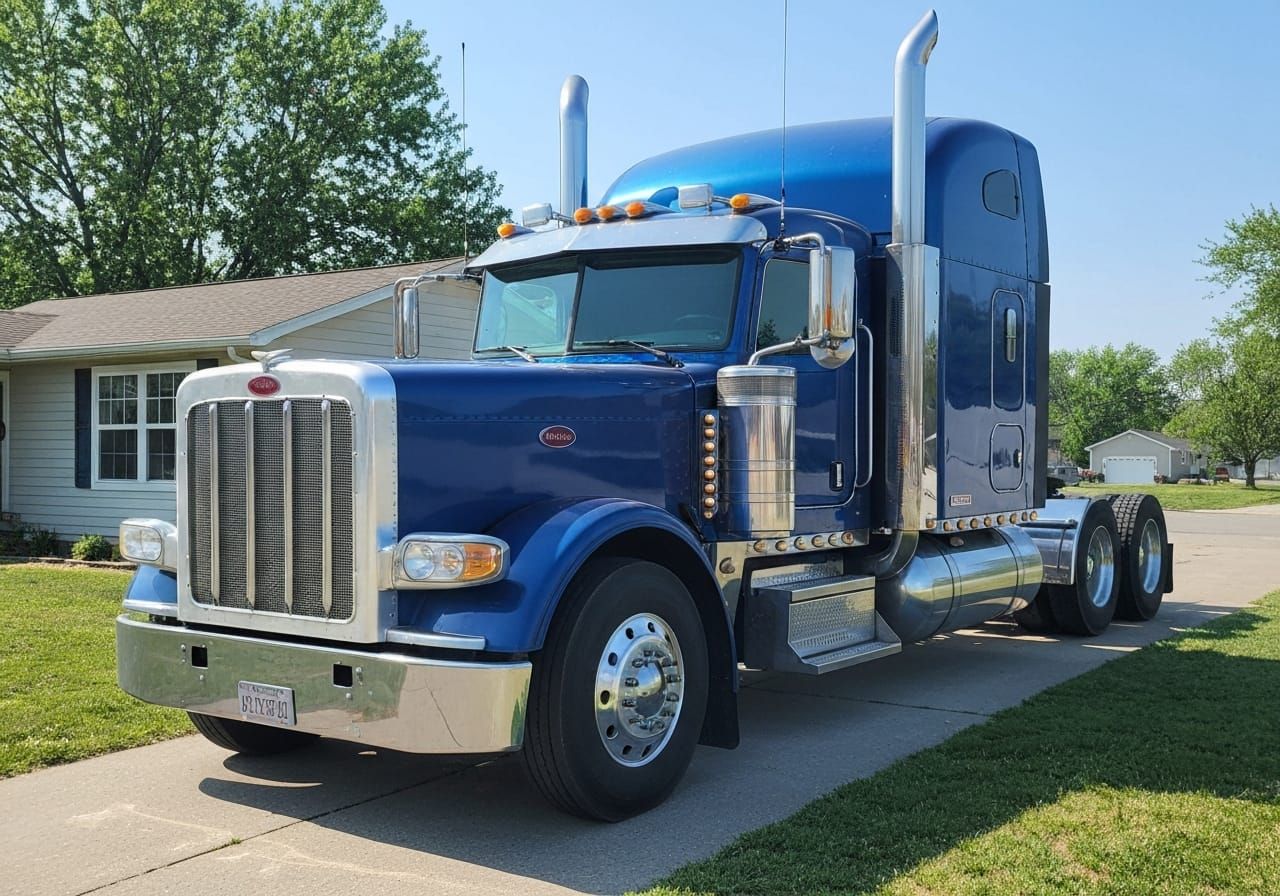
Where to Buy a Used Truck
Each buying channel has different risk levels, prices, and protections. Know what you\u0027re getting into.
Dealer (Franchise / Used Truck Center)
SafestVolvo, Peterbilt, Kenworth dealers often have used inventory. Higher prices but usually inspected, sometimes warranty available. Financing often included. Best for first-time buyers.
Fleet Sales / Off-Lease
Good valueLarge carriers sell trucks at 4-5 years / 500K-700K miles. Fleet-maintained trucks have complete service records. Usually well-cared-for but high-mileage. Can be excellent deals.
Auction (Ritchie Bros, Purple Wave)
Higher riskLower prices but usually sold as-is, no warranty. Limited inspection time. Good for experienced buyers who know what to look for. Never bid on a truck you haven\u0027t seen in person.
Private Sale (Facebook, Craigslist)
Highest riskLowest prices but highest risk. No warranty, no recourse if something\u0027s wrong. Title issues, hidden damage, odometer fraud. Must do your own thorough inspection. Escrow recommended.
The Mileage & Age Sweet Spot
Ideal Buy
3-5 years / 300K-500K milesMajor depreciation done. Plenty of life left. Modern emissions systems. Technology still current. Typically $45K-$70K. Best balance of price and remaining service life.
Value Buy
5-7 years / 500K-750K milesSignificant savings ($30K-$50K). Higher maintenance costs ahead. DPF/aftertreatment may need attention. Good if you\u0027re mechanically inclined or have a trusted shop.
Budget Buy
7-10 years / 750K-1M milesCheapest upfront ($20K-$35K) but highest ongoing costs. Major components approaching end of life. Only for experienced O/Os with repair capability. Can still be profitable with the right truck.
Pre-Purchase Inspection Checklist
Never buy a truck without a thorough inspection. Hire an independent mechanic — not the seller\u0027s guy. Budget $300-$500 for a proper PPI. It\u0027s the best money you\u0027ll spend.
Engine & Drivetrain
Frame & Suspension
Brakes & Wheels
Cab & Electrical
Red Flags That Mean Walk Away
Seller Won\u0027t Allow Independent Inspection
Any honest seller welcomes a PPI. If they make excuses, the truck has problems they don\u0027t want found.
No Maintenance Records
"I did all the work myself" usually means no work was done. Fleet trucks with complete records are worth paying more for.
Fresh Paint on Frame or Under Cab
New paint in specific areas often hides accident damage, frame cracks, or rust repair. Factory paint ages uniformly.
Title Issues (Salvage, Rebuilt, Flood)
Salvage and rebuilt titles mean the truck was totaled by insurance. Flood titles mean water damage. Both significantly reduce resale value and can hide serious problems. Many lenders won\u0027t finance them.
DPF/DEF Delete
Removing or bypassing emissions systems is a federal violation. Fines up to $5,000 per violation. Insurance may not cover a truck with illegal modifications. Reinstallation costs $5K-$15K.
Odometer Discrepancy
Run a Carfax or similar vehicle history report. Check the ECM hours vs. odometer miles (they should correlate). Odometer rollback is fraud but it happens, especially on private sales.
True Cost Beyond the Purchase Price
The sticker price is just the beginning. Budget for everything before you commit.
Negotiation Tips
Know the Market Value
Check Commercial Truck Trader, TruckPaper, and Ritchie Bros for comparable trucks. Year, make, model, engine, miles. Never negotiate without knowing what similar trucks sell for.
Use Inspection Findings
Every issue found in your PPI is a negotiation point. Brakes need replacing? That\u0027s $2K off the price. DPF needs service? Another $3K. Get written estimates for needed work.
Be Ready to Walk Away
There\u0027s always another truck. Emotional attachment to a specific truck leads to overpaying. Set your maximum price before you arrive and stick to it. Walking away is your strongest tool.
Pay Cash If Possible
Cash buyers have leverage. No financing contingency, faster closing, no bank fees. Even if you have to save longer, paying cash saves thousands in interest. See our financing guide if you need a loan.
Insurance Considerations When Buying
Physical Damage Coverage
The value you insure the truck for affects your premium. Insure for actual cash value (ACV), not what you paid. A 7-year-old truck you paid $45K for may only have an ACV of $35K. Over-insuring wastes premium dollars.
Truck Age and Rates
Newer trucks generally cost more to insure (higher replacement value) but may qualify for safety technology discounts. Older trucks cost less to insure but may have higher liability rates due to fewer safety features.
VIN Verification
Your insurance policy lists the specific VIN. Make sure the VIN on the truck matches the title, registration, and what\u0027s on the dash and door jamb. Mismatched VINs = potential fraud.
Gap Coverage
If you finance the truck, you may owe more than it\u0027s worth (especially early in the loan). Gap coverage pays the difference between ACV and loan balance if the truck is totaled. Worth the $100-$200/year premium.
Get Insurance Quotes Before You Buy
Know your insurance costs before signing on a truck. RMS can quote your coverage in advance — just send us the year, make, model, and VIN. No surprises after you\u0027ve already committed.
Call RMS: 208-800-0640Frequently Asked Questions
How many miles is too many for a used semi truck?
There\u0027s no magic number — maintenance history matters more than mileage. A well-maintained fleet truck at 700K miles can be a better buy than a neglected owner-operator truck at 400K. That said, most major components (engine overhaul, transmission, DPF) start needing attention around 500K-700K miles. Budget for these if buying a high-mileage truck.
Should I buy a truck with a rebuilt title?
Generally avoid them unless you\u0027re experienced and the price reflects the risk. Rebuilt title trucks are harder to finance, harder to insure, and worth 20-40% less at resale. If you do consider one, get an extremely thorough independent inspection and know exactly what the damage was and how it was repaired.
What\u0027s the best engine to buy in a used truck?
The Cummins X15 and Detroit DD15 are the most common and have good parts availability and mechanic familiarity. Pre-2010 engines (before DPF requirements) are popular but aging. Post-2017 engines have more reliable emissions systems than 2010-2016 models. The "best" engine is one with documented maintenance history and no persistent fault codes.
Can I insure a truck before I buy it?
Yes — and you should. Most insurance agents can provide a binding quote with just the year, make, model, and VIN. Coverage can be effective on the day of purchase. Having insurance in place before signing prevents gaps. Call your agent before going to the dealer.